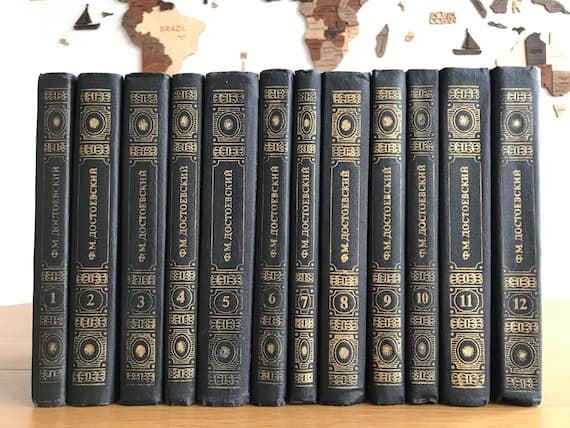
5 Reasons Russian Learners Abandon Classics (and the Unexpected Solution)
If you've ever tried to tackle a Russian classic in its original language only to abandon it halfway through, welcome to the club. It's a rather large one.
This isn't a club for those lacking skill or perseverance. It's a club for individuals who faced a significant challenge without the right tools, grew frustrated, and drew the wrong conclusion: that the problem lay with them.
It wasn't you. And this article is here to prove it.
Reason 1: Dictionaries Kill Momentum, and Without Momentum, There's No Enjoyment
Imagine reading a novel in your native tongue, only to be stopped every few sentences for a thirty-second pause. That's how frustrating it is to read Russian with an external dictionary.
It's not just the time lost searching. It's the aftermath: by the time you return to the text, you've lost the emotional thread. That sentence that was captivating you no longer carries the same weight. You have to reconstruct the context from scratch. When this happens three times in a single paragraph, your brain makes a silent decision: this isn't worth the effort.
The issue isn't that Russian is inherently difficult. It's that the process of looking up vocabulary shatters precisely what makes reading enjoyable: the flow.
Lexicaize is built around this very idea. Tap a word, see its meaning, and keep reading. No switching windows. No losing your place. No breaking the rhythm. The dictionary becomes invisible, leaving only the pure reading experience.
Reason 2: No One Tells You Where to Start, and That Leads to Paralysis
You decide this is the year you'll read a Russian classic in its original. You open your computer, search for "Crime and Punishment in Russian" or "Anna Karenina original text," and you're met with... a 600-page PDF in Cyrillic, completely devoid of instructions.
Do you start there? Should you find an annotated edition? Do you need at least a B2 level? Or is B1 sufficient? Is Pushkin easier? Should you begin with him?
The paralysis of facing a blank page is a very real phenomenon. And when it comes to Russian classics, no one has truly mapped out a clear path for the student eager to take that step. There's ample content on why to read Russian classics, but very little on how to do it practically when your proficiency isn't advanced.
If you're looking for a concrete starting point: Pushkin is the ideal entry point, particularly Eugene Onegin. Its structure of short stanzas and accessible vocabulary make it highly approachable. And if you're already at an intermediate level, Anna Karenina is more attainable than you might think. In both cases, Lexicaize provides the scaffolding you need to begin without waiting to "be ready."
Reason 3: New Vocabulary Evaporates Because Learning It Out of Context Doesn't Stick
There's a method for studying vocabulary that doesn't work, even though everyone uses it: word lists.
You learn twenty words today. You review them tomorrow. The day after, you recall twelve. By the following week, five. A month later, none.
It’s not about having a poor memory. It's that the human brain isn't designed to retain information disconnected from experience. The words that remain are those encountered during moments of emotion, curiosity, or connection to something meaningful.
Reading Tolstoy or Dostoevsky in Russian provides exactly those moments. When you learn a word within the context of a scene that resonated with you, that word already has a place in your memory. It's not just data; it's part of a story.
The challenge is that without support, this contextual learning is too slow and frustrating to be sustainable. With Lexicaize, every word you look up is logged and enters a personalized review system. You don't have to do anything extra. The vocabulary you discover while reading automatically becomes your study material.
Reason 4: Frustration Mounts, and One Day You Simply Close the Book
Abandonment rarely happens dramatically. There isn't usually a specific page where you declare, "I've had enough." What occurs is more subtle and far more damaging.
One day, you read for ten minutes and feel frustrated. You put it off until tomorrow. Tomorrow, you open the book with less enthusiasm than yesterday. The session is shorter. You go three days without touching it. When you return, you have to reread what you'd already covered just to regain the thread. This makes it even less appealing. And one day, you realize it's been two weeks since you last opened the book.
You didn't abandon it. It simply faded away.
This cycle has a name in psychology: motivation erosion due to accumulated friction. It wasn't a lack of desire. It was an excess of small obstacles that, added together, became too burdensome.
Reducing that friction is precisely what Lexicaize accomplishes. It doesn't solve the language's difficulty overnight, but it eliminates the primary source of frustration: getting stuck on a word with no clear next step. When that roadblock disappears, reading sessions become smoother, more enjoyable, and easier to sustain over time.
Reason 5: You Believe the Problem Is You. And That's the Most Unfair Part of All.
This is the most painful, and the most common, reason.
You try to read Crime and Punishment in Russian. It's a struggle. You set it aside. And the conclusion you draw isn't, "I needed better tools." Instead, you conclude, "My Russian isn't good enough," or worse, "I'm not the kind of person who can do these things."
That belief lingers. And the next time you consider reading a classic in its original form, a voice inside cautions, "This isn't for you."
It's a completely misguided conclusion, but an understandable one. Because when the tools are inadequate and the experience is frustrating, the most natural inclination is to blame oneself.
The truth is, reading Russian classics in their original doesn't require a C1 level. It doesn't necessitate having studied Slavic philology. It simply requires access to the meanings of unknown words the moment they appear, without friction, without interruption. That's it.
With that one piece in place, your current level may very well be sufficient. Not for understanding every literary nuance from day one, but certainly for reading, enjoying, progressing, and learning throughout the process.
The Unexpected Solution Isn't a New Method. It's Eliminating the Right Obstacle.
There are countless methods for learning Russian. Courses, gamified apps, private lessons, grammar books, podcasts. Each has its value.
But none address the specific challenge of reading a classic in its original language: the unknown vocabulary that appears precisely when you're most engaged, and which breaks the very essence of what makes reading worthwhile.
Lexicaize isn't a study method. It's the tool that finally makes the method that already works—reading texts you're interested in, in real context, with emotional engagement—sustainable for non-native speakers.
You don't have to wait until you're ready. You don't have to finish B2 first. You don't have to prepare for six months before opening the book.
You just have to open the book. And have Lexicaize by your side.
Where to begin? If you're a beginner, Pushkin is your first step. If you already have some foundation, Anna Karenina is closer than you think.
Related posts
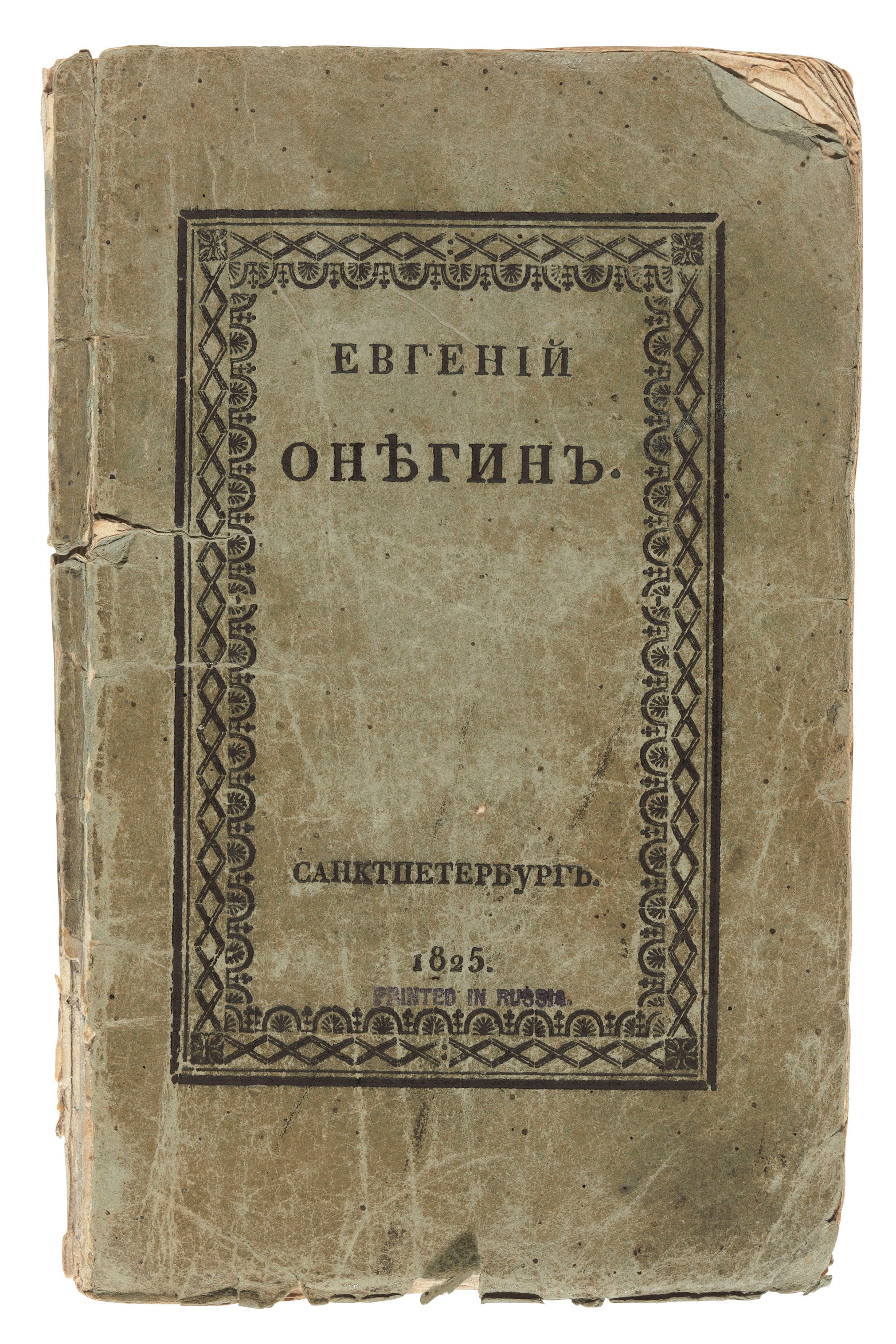
From Pushkin with Love: How to Tackle the Father of Russian Literature (Without the Headache)
New to Russian and think tackling Pushkin is a pipe dream? Think again. He's more accessible than you imagine, and with Lexicaize, you can dive in today.

Reading Anna Karenina in Russian: From Impossible Dream to Reality with a Single App
Dreaming of reading Anna Karenina in its original Russian, but don't know where to start? Discover how Lexicaize breaks down the vocabulary barrier, making this once-impossible goal entirely achievable.